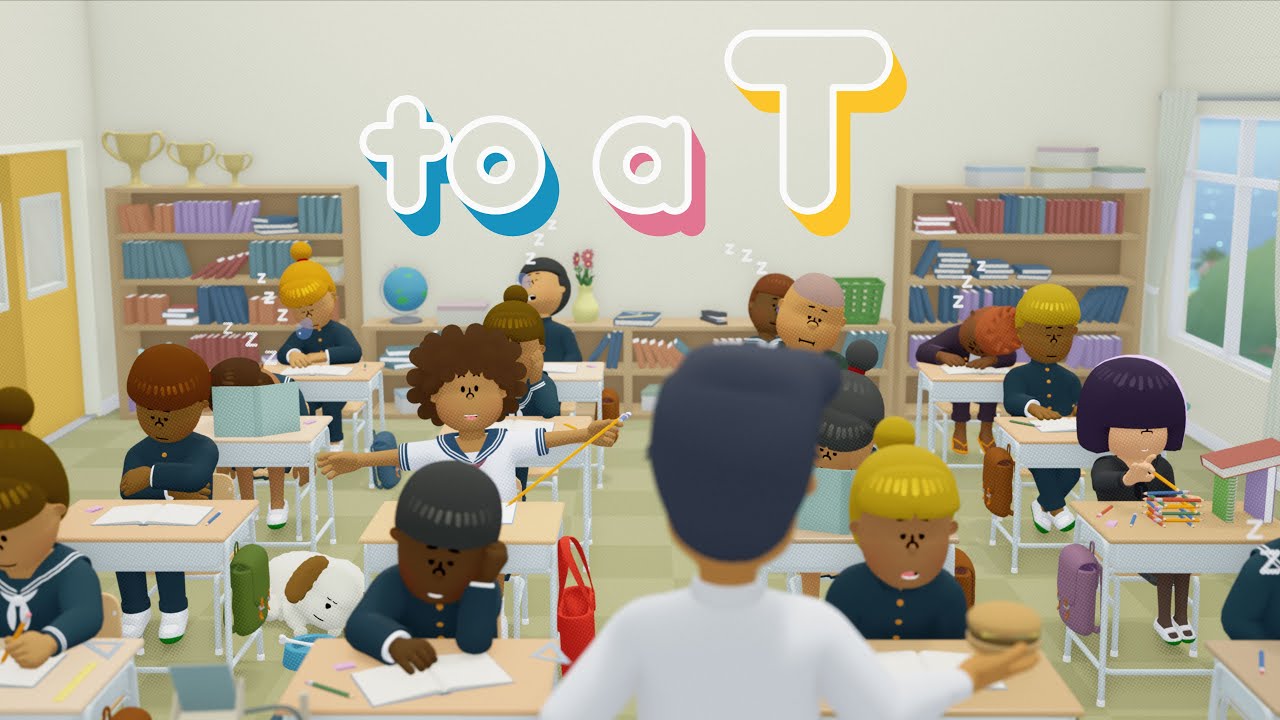
Katamari Damacy creator Keita Takahashi is known for making unusual games, and his latest digital escapade is no different. Players assume the role of a teenager stuck in a T-pose as they try to navigate everyday life สล็อต via interactive scenes like brushing their teeth and eating breakfast.
Speaking at GamesCom LATAM earlier this year, Takahashi. "It's so stupid," he said in a chat shown on FGS live. "No smart game design, game mechanic, nothing."
But Ueda points out that games don't need to invent whole new systems when you use art and narrative design to drive the experience forward. "Even if there is nothing novel about the mechanics, you can push the game further with a certain vibe or artwork," he explains. "Personal preferences aside, what I'm saying is I think it would be better to give already existing game mechanics more definition."
I certainly think there's some truth to what Ueda says here. Many if not most games released these days use existing mechanical frameworks that are revitalised through an interesting theme, story, or visual style. But I would also say that this has been the case for much of gaming's history too. True mechanical innovation is exceedingly rare, tending to occur incrementally rather than in sudden leaps. Even as far back as the 8-bit era, most games that were made were riffs on other titles rather than wholly original works. But since games could be made a lot quicker, with development times of months rather than years, innovation happened faster. It also probably helped that computers were rapidly iterating alongside the games played on them, enabling developers to create more ambitious, complex experiences.
In any case, our own Chris Livingston likewise enjoyed Takahashi's latest as he describes in his , albeit slightly less than Ueda apparently did. "It's a shame that To a T can be frustrating to actually play at times," Chris said, citing the game's awkward camera. "[But] it's still worth struggling through the sometimes-awkward gameplay for the fabulous story contained within its five-hour duration. It's surprising, it's got a lot of laughs, and there's a nice message at its core."